Creatine
Creatine is a naturally occurring compound found in small amounts in certain foods and synthesized in the human body. Is also created by the liver, kidneys, and pancreas from amino acids. It is stored primarily in muscle cells and used as a quick source of energy during high-intensity, short-duration activities such as weightlifting and sprinting.
What is Creatine?
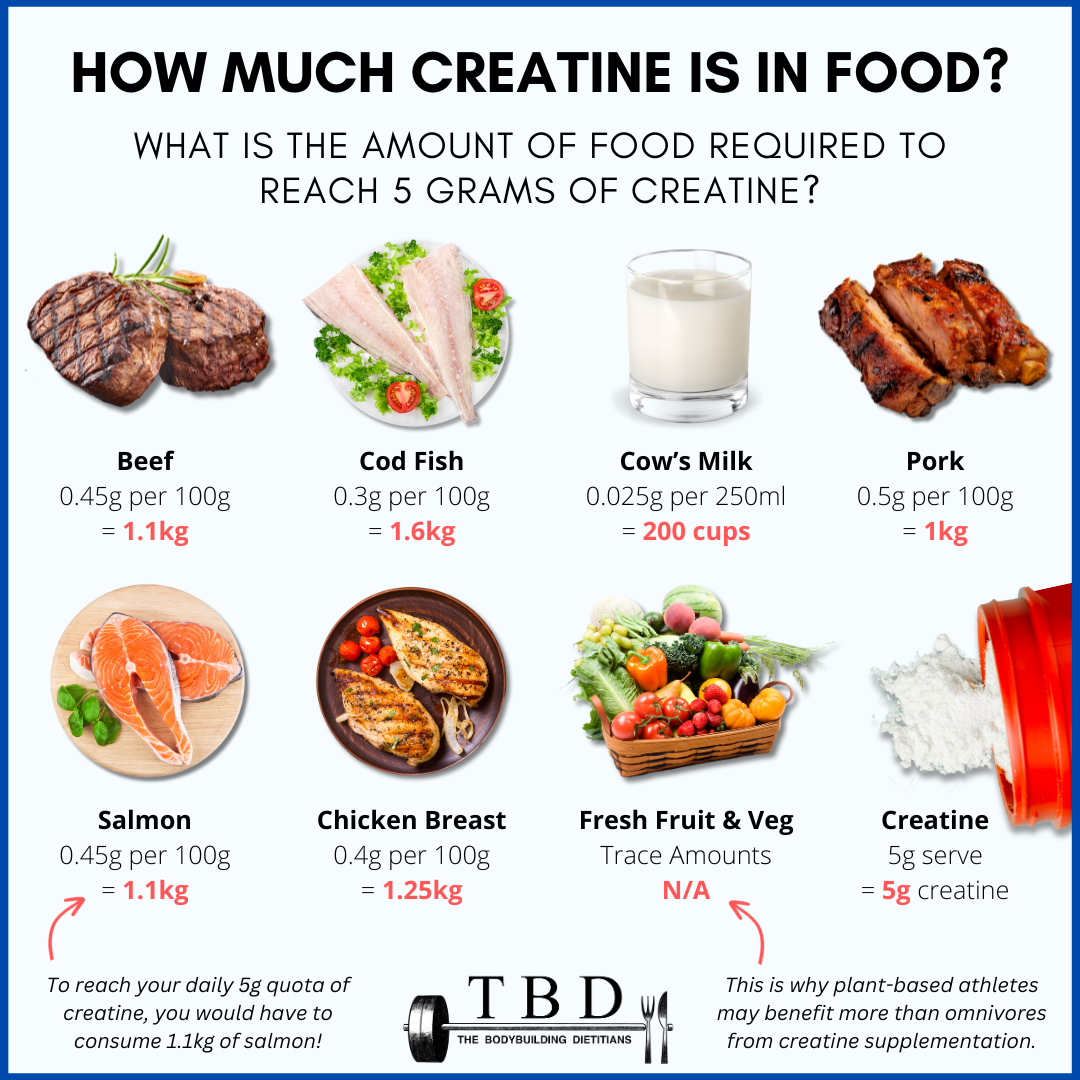
Creatine is a naturally occurring compound made in the liver, kidneys, and pancreas from three amino acids: glycine, arginine, and methionine. Humans typically produce about 1 - 1.5 gram per day, and we obtain another gram from animal-based foods such as meat and fish.
How much Creatine do I need?
The general recommendation for people who do take a creatine supplement is 3 to 5 grams per day.
Sources of Creatine
How does Creatine work?
Creatine works by increasing the availability of adenosine triphosphate (ATP), the primary energy carrier in cells. During high-intensity exercise, ATP is rapidly depleted, and creatine helps replenish it, allowing for sustained performance.
Links
- Youtube: Creatine, Everything You NEED to Know Before Taking by Athlean-X
- Cleveland Clinic: Creatine
- Sloane Street Surgery: Creatine - One of the World's Most Misunderstood Supplements
- Novo Mins: Creatine - The Definitive Guide to Safe and Effective Supplementation
- Healthline: What is Creatine?
- Youtube: The Truth About Creatine & Exercise! 30% Of People Will Die From This! The Healthy Ageing Doctor by Dr. David S. Scheinberg on The Dairy of CEO
- Youtube: Creatine: What You Need to Know by Jeff Nippard on The Daiyr of CEO
- Creatine Supplementation and Exercise Performance: An Update
- Creatine Monohydrate Supplementation on Exercise Performance and Training Adaptations
- Creatine for Muscle Hypertrophy: A Review of Efficacy and Safety